

PFAS gets a lot of attention — rightly so. But there are more substances in your kitchen worth watching out for. BPA, phthalates, and other plastic softeners come into contact with your food every day. And most people don’t even know they’re there.
BPA: the substance that was in almost everything
BPA (bisphenol A) is a chemical used in the production of certain plastics — especially polycarbonate. For years it was standard in baby bottles, drinking bottles, food packaging, and microwave containers.
The problem: BPA is an endocrine disruptor. It mimics estrogen in the body and can disrupt hormone balance, even at low concentrations. Research points to links with reduced fertility, early puberty in girls, and a higher risk of certain hormone-dependent cancers.
BPA is now banned in baby products in the EU. But it isn’t banned in all plastic kitchenware, and “BPA-free” on a product doesn’t always mean it’s safe — it may simply have been replaced by BPS or BPF, substances with similar effects.
Phthalates: the invisible plasticisers
Phthalates are substances that make plastic soft and flexible. They’re found in microwave bags, cling film, soft plastic containers, and sometimes in low-quality silicone. Like BPA, they’re endocrine disruptors.
Phthalates dissolve relatively easily in fatty foods and when heated. Think of storing fish or cheese in cling film, or a microwave bag with a fatty sauce.
Which materials are actually safe?
Glass — the gold standard. Doesn’t react with food, doesn’t leach anything, heat-resistant. First choice for storing and reheating.
Stainless steel — inert, no coatings, lasts forever. Ideal for pots, pans, and drinking bottles.
Ceramic — safe as long as it’s PFAS-free (note: some cheap ceramic glazes contain lead or cadmium — buy from reputable brands).
Food-grade silicone — especially if it’s certified (FDA or LFGB standard). Note: cheap silicone of unknown origin may contain phthalates.
Wood — naturally antibacterial, no coatings, ideal for cutting boards and spatulas.
Practical checklist for your kitchen
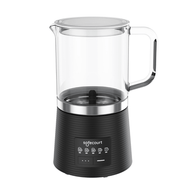
☐ Don’t use plastic containers in the microwave — switch to glass ☐ Don’t wrap fatty food in cling film — use a glass container with a lid ☐ Replace soft plastic spatulas with silicone (certified) or wood ☐ Check whether your slow juicer or blender is BPA-free ☐ Don’t cook pasta or soup in plastic containers
You don’t have to replace everything at once. Start with the items that come into contact most with hot or fatty foods — that’s where exposure is highest.